
 Image 1 of 3
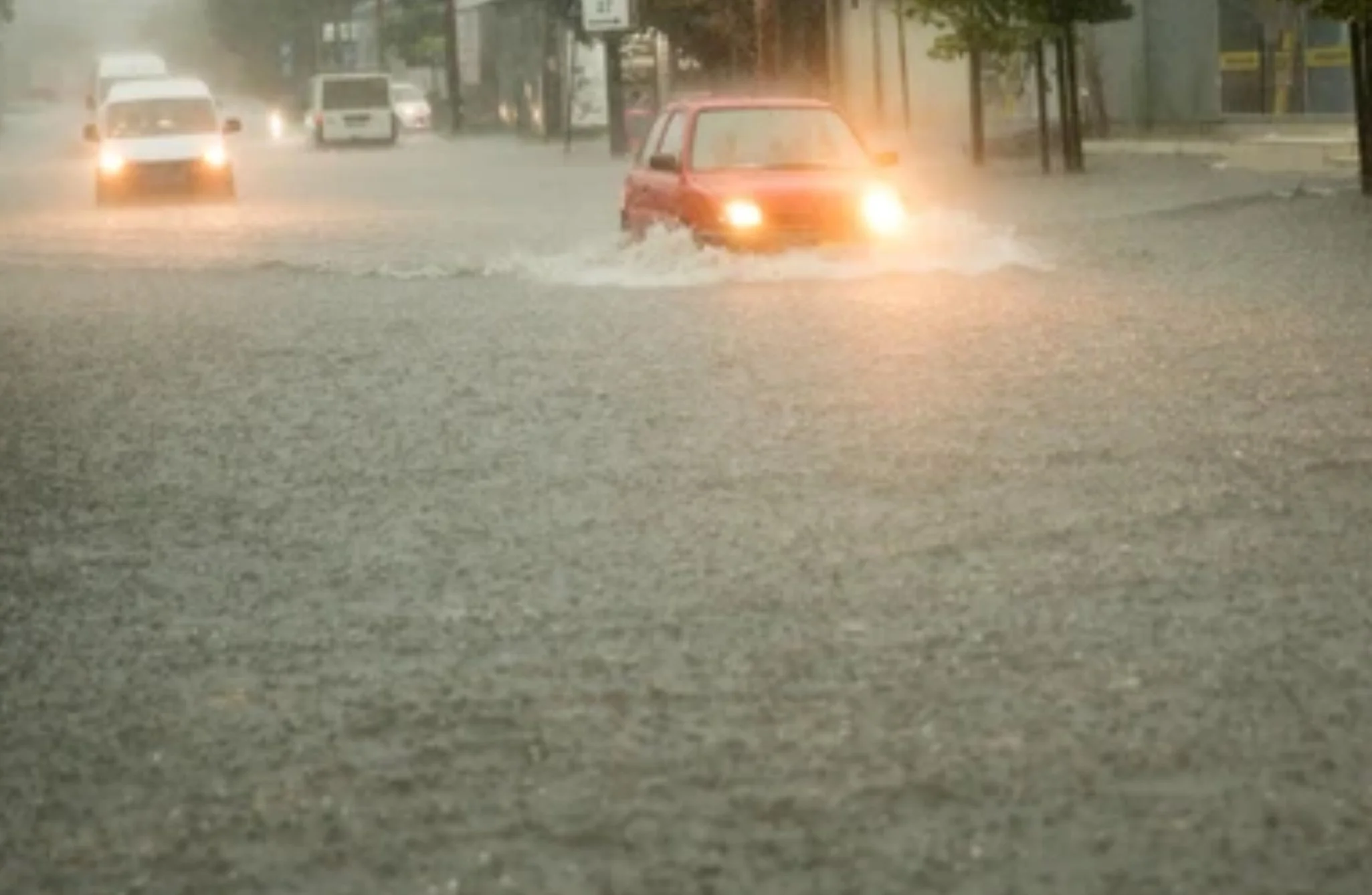 Image 2 of 3
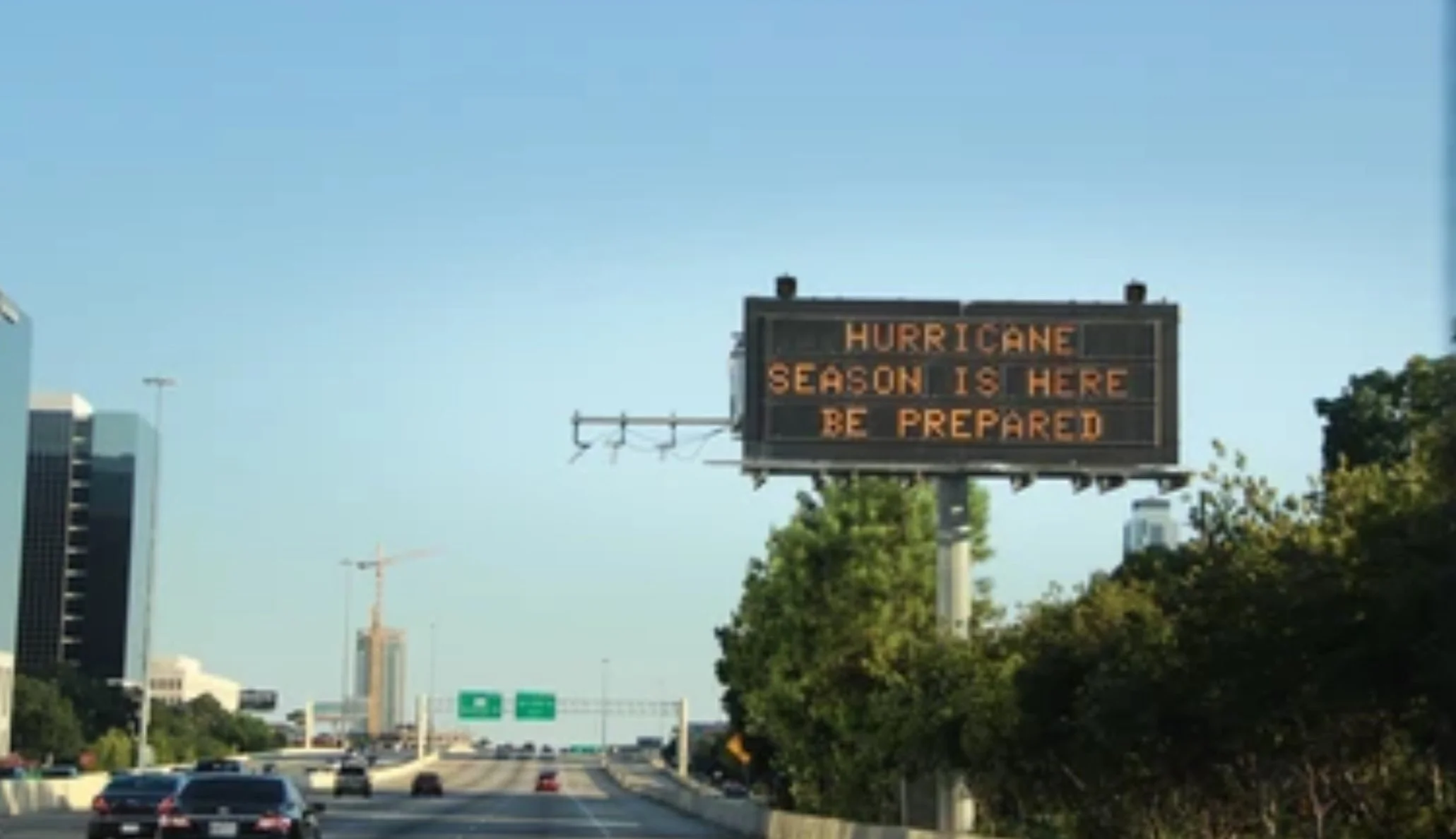 Image 3 of 3
American Red Cross Wilderness & Remote First Aid
Be Ready for Emergencies—Whether You’re Deep in the Backcountry or Right Here in Texas. Be ready for floods, hurricaines, tornadoes, power outages, communication disruptions and other urban emergencies.
Why Wilderness First Aid Matters in Urban Settings
Wilderness First Aid isn’t only for mountains and backcountry trails—it’s essential in large, complex cities like Houston, where emergencies often happen in places that feel “remote” long before you ever leave pavement. Flooded streets, power outages, downed cell towers, industrial incidents, hurricanes, and gridlocked traffic can delay EMS response times or limit access to medical care. In these situations, the skills taught in Wilderness First Aid—improvised splinting, bleeding control, patient stabilization, environmental emergency care, and sound decision-making—become critical lifesaving tools.
Whether you’re at a community event, sports field, construction site, warehouse, church retreat, ranch on the outskirts of town, or simply navigating around the state during a natural disaster, Wilderness First Aid prepares you to manage injuries when resources are limited and help may be delayed.
In a state as exciting as Texas, built on outdoor adventures, big venue events, and diverse industries, being prepared isn’t optional—it’s essential.
When you’re far from immediate medical care, the skills you have are the skills that save lives. The American Red Cross Wilderness & Remote First Aid Course prepares adventurers, outdoor professionals, remote workers, and everyday Texans to manage medical emergencies in environments where help may be delayed—sometimes by minutes, sometimes by hours.
This comprehensive, hands-on course is ideal for hikers, ranchers, hunters, guides, scout leaders, teachers, church retreat teams, construction crews, and anyone who spends time outdoors or in hard-to-reach areas. But it’s just as valuable for people living in urban environments like here in Houston, where emergencies can quickly create “remote” conditions even in the middle of the city.
What You’ll Learn
✔ Wilderness patient assessment
Scene safety, primary/secondary surveys, long-term patient care, and decision-making when evacuation isn’t immediate.
✔ Injury management
Wounds, burns, fractures, sprains, dislocations, infections, and allergic reactions.
✔ Environmental emergencies
Heat exhaustion and heat stroke (a major Texas risk), hypothermia, lightning injuries, dehydration, flooding exposures, and severe weather events.
✔ Improvised care using everyday items
How to create splints, slings, and supports when medical gear is limited.
✔ Evacuation planning
When to move a patient, how to communicate with emergency services in low-signal areas, and how to stabilize until help arrives.
✔ Realistic outdoor scenarios
Hands-on practice that builds confidence and muscle memory during stressful situations.
Why This Course Matters in Houston
Wilderness & Remote First Aid isn’t just for mountains and national parks—it’s increasingly critical in major cities like Houston, where emergencies often create “remote” conditions long before you’ve left civilization.
In Houston, this training prepares you for:
✔ Hurricanes and tropical storms
Flooded roads, power outages, downed communication lines, and delayed EMS response.
✔ Traffic gridlock and inaccessible areas
Accidents on busy highways, rural edges of Harris County, and areas where EMS access is limited.
✔ Extreme heat emergencies
One of the most common and dangerous medical events during Houston summers.
✔ Outdoor activities close to home
Bayous, nature trails, state parks, ranch properties, hunting leases, school field trips, youth camps, and remote job sites.
✔ Large public events
Festivals, marathons, sports games, and concerts where help may be minutes away and crowd congestion slows response.
In an unpredictable city built on bayous, refineries, and rapid growth, being able to stabilize a patient with limited resources is more than a skill—it’s a responsibility.
Course Features
16-hour, 2-day format
Taught by certified American Red Cross instructors
Designed for ages 14+
Meets OSHA’s “best practices” for remote occupational safety
Optional CPR certification available
Valid for 2 years
For the Trail. For the Ranch. For the Bayou. For the City.
Wherever your life in Texas takes you—from the backcountry to the heart of Houston—this training ensures you’re prepared.
Enroll today and gain the skills to act when every minute matters.
American Red Cross Wilderness & Remote First Aid
Be Ready for Emergencies—Whether You’re Deep in the Backcountry or Right Here in Texas. Be ready for floods, hurricaines, tornadoes, power outages, communication disruptions and other urban emergencies.
Why Wilderness First Aid Matters in Urban Settings
Wilderness First Aid isn’t only for mountains and backcountry trails—it’s essential in large, complex cities like Houston, where emergencies often happen in places that feel “remote” long before you ever leave pavement. Flooded streets, power outages, downed cell towers, industrial incidents, hurricanes, and gridlocked traffic can delay EMS response times or limit access to medical care. In these situations, the skills taught in Wilderness First Aid—improvised splinting, bleeding control, patient stabilization, environmental emergency care, and sound decision-making—become critical lifesaving tools.
Whether you’re at a community event, sports field, construction site, warehouse, church retreat, ranch on the outskirts of town, or simply navigating around the state during a natural disaster, Wilderness First Aid prepares you to manage injuries when resources are limited and help may be delayed.
In a state as exciting as Texas, built on outdoor adventures, big venue events, and diverse industries, being prepared isn’t optional—it’s essential.
When you’re far from immediate medical care, the skills you have are the skills that save lives. The American Red Cross Wilderness & Remote First Aid Course prepares adventurers, outdoor professionals, remote workers, and everyday Texans to manage medical emergencies in environments where help may be delayed—sometimes by minutes, sometimes by hours.
This comprehensive, hands-on course is ideal for hikers, ranchers, hunters, guides, scout leaders, teachers, church retreat teams, construction crews, and anyone who spends time outdoors or in hard-to-reach areas. But it’s just as valuable for people living in urban environments like here in Houston, where emergencies can quickly create “remote” conditions even in the middle of the city.
What You’ll Learn
✔ Wilderness patient assessment
Scene safety, primary/secondary surveys, long-term patient care, and decision-making when evacuation isn’t immediate.
✔ Injury management
Wounds, burns, fractures, sprains, dislocations, infections, and allergic reactions.
✔ Environmental emergencies
Heat exhaustion and heat stroke (a major Texas risk), hypothermia, lightning injuries, dehydration, flooding exposures, and severe weather events.
✔ Improvised care using everyday items
How to create splints, slings, and supports when medical gear is limited.
✔ Evacuation planning
When to move a patient, how to communicate with emergency services in low-signal areas, and how to stabilize until help arrives.
✔ Realistic outdoor scenarios
Hands-on practice that builds confidence and muscle memory during stressful situations.
Why This Course Matters in Houston
Wilderness & Remote First Aid isn’t just for mountains and national parks—it’s increasingly critical in major cities like Houston, where emergencies often create “remote” conditions long before you’ve left civilization.
In Houston, this training prepares you for:
✔ Hurricanes and tropical storms
Flooded roads, power outages, downed communication lines, and delayed EMS response.
✔ Traffic gridlock and inaccessible areas
Accidents on busy highways, rural edges of Harris County, and areas where EMS access is limited.
✔ Extreme heat emergencies
One of the most common and dangerous medical events during Houston summers.
✔ Outdoor activities close to home
Bayous, nature trails, state parks, ranch properties, hunting leases, school field trips, youth camps, and remote job sites.
✔ Large public events
Festivals, marathons, sports games, and concerts where help may be minutes away and crowd congestion slows response.
In an unpredictable city built on bayous, refineries, and rapid growth, being able to stabilize a patient with limited resources is more than a skill—it’s a responsibility.
Course Features
16-hour, 2-day format
Taught by certified American Red Cross instructors
Designed for ages 14+
Meets OSHA’s “best practices” for remote occupational safety
Optional CPR certification available
Valid for 2 years
For the Trail. For the Ranch. For the Bayou. For the City.
Wherever your life in Texas takes you—from the backcountry to the heart of Houston—this training ensures you’re prepared.
Enroll today and gain the skills to act when every minute matters.